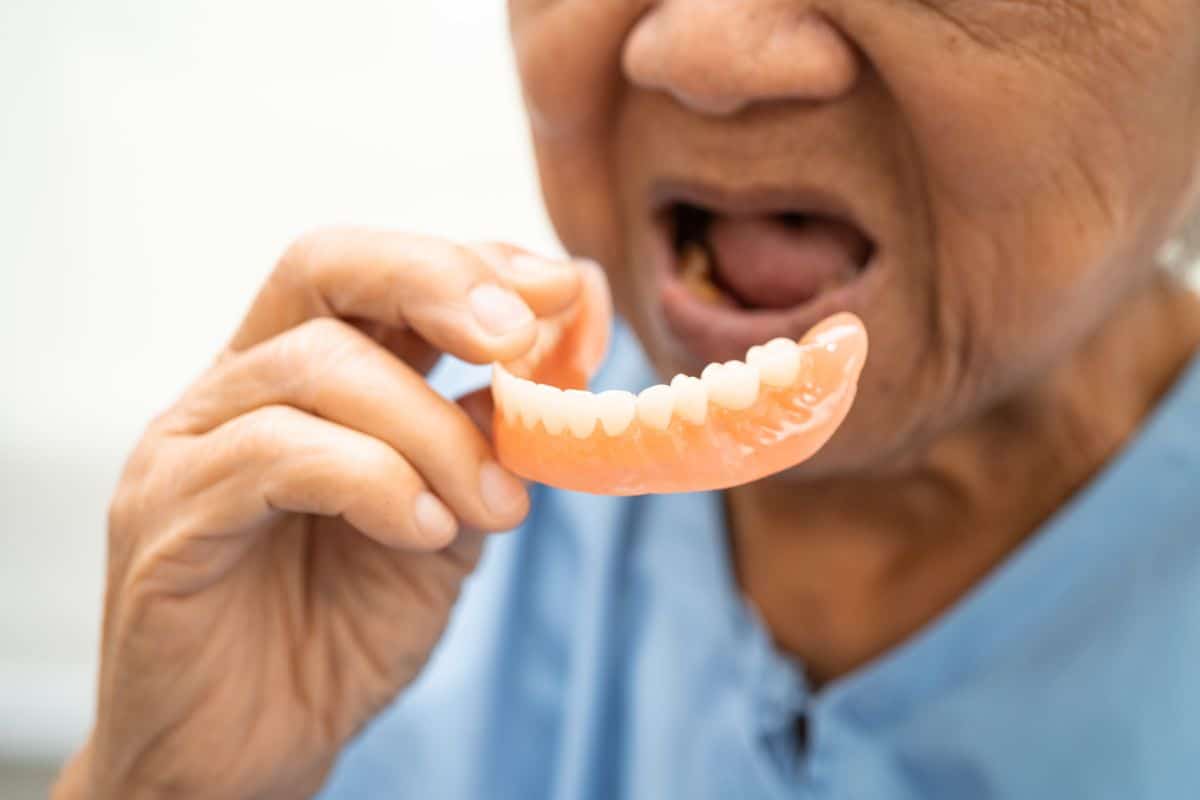
Adjusting to new dentures can feel unfamiliar at first, especially when it comes to enjoying everyday meals. Your gums, tongue, and jaw muscles need time to adapt to this new appliance. With the right approach and mindful eating habits, you can transition smoothly and regain confidence during mealtimes.
The Early Phase of Denture Adjustment
During the initial days, your mouth is still adjusting to the function of dentures. This period often involves sensitivity and minor soreness, which is completely normal. Starting with soft, gentle foods helps minimize discomfort and allows your mouth to adapt without strain.
Starting with Softer Textures
Items like smoothies, scrambled eggs, ripe bananas, puddings, and mashed vegetables are excellent choices in the early stages. These foods are easy to chew, prevent unnecessary pressure on your gums, and help you build coordination before progressing to firmer textures.
As you continue to adjust, you’ll notice improvements in how your mouth controls the dentures. At this stage, many individuals in the Rio Rancho community who rely on dentures find that practicing proper chewing techniques and maintaining a consistent routine greatly enhances comfort and confidence.
Chewing Techniques That Improve Stability
Learning how to chew with dentures is a key part of the process. Although it may feel different than chewing with natural teeth, simple techniques can make a big difference.
Chewing Evenly and Slowly
Instead of chewing only on one side, distribute pressure evenly on both sides of your mouth. This prevents dentures from tilting or slipping out of place. Take smaller bites and chew slowly—precision and control matter more than speed when adapting to new dentures.
Staying hydrated also plays a valuable role. Adequate moisture helps dentures create natural suction, making them feel more secure. If you struggle with dry mouth, discuss solutions with your healthcare provider to find ways to enhance comfort during meals.
Transitioning to Firmer and More Varied Foods
Once your confidence improves, you can gradually introduce foods with more texture and complexity. This step should be taken slowly and attentively, observing how your dentures respond to the adjustment.
Introducing Foods with Balanced Texture
Soft-cooked vegetables, pasta, tender meats, and soft fruits like peaches or melons help bridge the gap between soft and firm foods. Avoid biting directly into hard foods initially. Instead, cut them into smaller pieces and use your back teeth for better leverage and control.
Be cautious with sticky foods, seeds, or items that easily crumble, as they may become trapped under the denture surface and cause irritation. With time and practice, your jaw muscles strengthen, and you become more comfortable enjoying a wider variety of meals.
Daily Cleaning and Mouth Care for Comfortable Eating
A clean mouth supports better comfort, stability, and overall oral health. Denture cleanliness plays a direct role in how easily you can chew and enjoy food.
Maintaining a Healthy Routine
Rinse your dentures after meals to remove leftover food particles. Brush them gently with a denture-safe cleanser to keep them fresh. Cleaning your gums, tongue, and cheeks also helps maintain proper oral hygiene and supports healthier denture wear.
Enjoying Mealtime Comfort with Professional Support
Comfortable eating becomes much easier when your dentures fit correctly and are professionally maintained. If you experience ongoing soreness, looseness, or difficulty chewing, don’t wait too long—adjustments can significantly improve daily comfort. A quick visit can help refine the fit or address any pressure points you may be experiencing.
If you’re ready to make eating more enjoyable and transition smoothly with your new dentures, visit our dental office in Rio Rancho for personalized support. Whether you need guidance, an adjustment, or reassurance during the process, we’re here to help you feel confident again. Contact us to get started.
FAQs
- How long does it take to adjust to eating with dentures?
Most people feel comfortable after a few weeks, though everyone’s timeline varies. - What foods should I begin with when learning to eat with dentures?
Soft foods like mashed potatoes, eggs, yogurt, and oatmeal are ideal during the early adjustment period. - Why do dentures sometimes feel loose when chewing?
Your gums and muscles are adapting. If looseness persists, a professional adjustment may be necessary. - Can I eventually eat crunchy foods again?
Yes, but introduce them gradually. Once your mouth adapts, you’ll be able to enjoy a wider variety of foods. - What should I do if food gets stuck under my dentures?
Remove and rinse your dentures promptly to avoid irritation, and clean your mouth thoroughly. - Is it normal to have sore spots while adjusting?
Mild soreness is common, but ongoing discomfort should be evaluated by your provider.