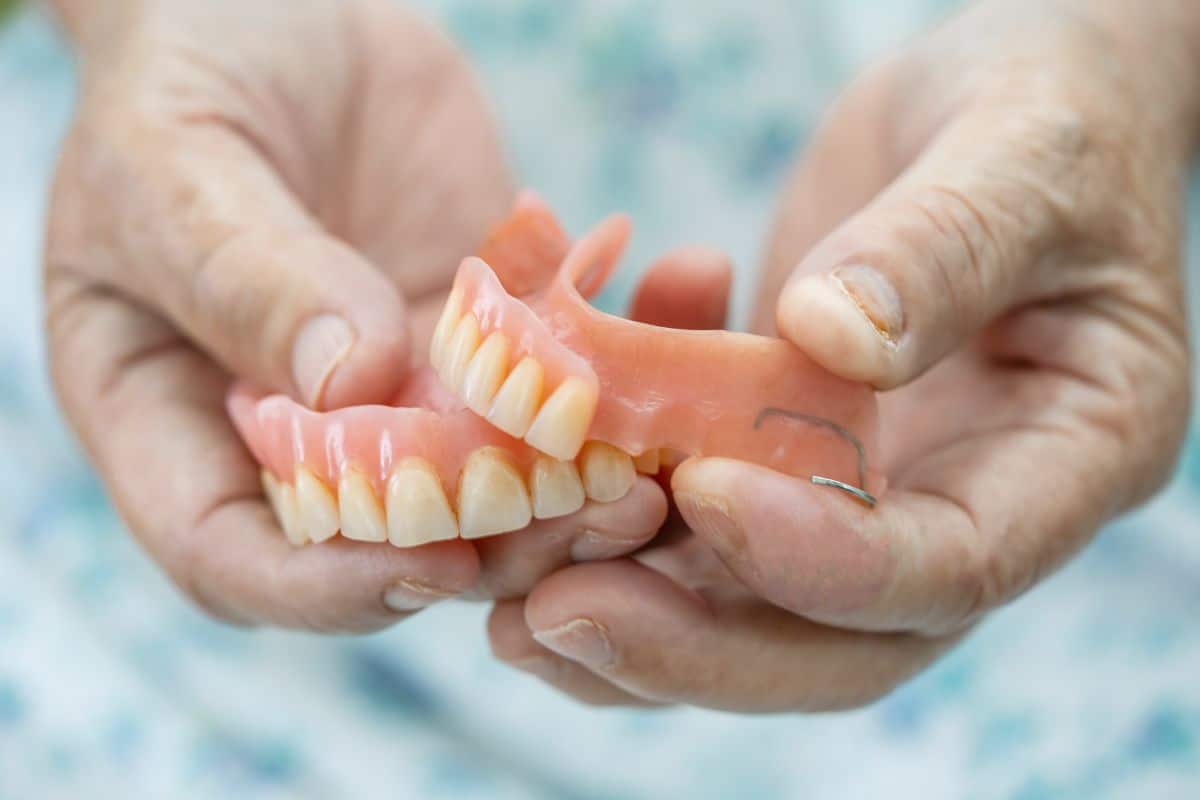
Dentures are an essential part of life for many, providing the ability to eat, speak, and enjoy daily activities comfortably. However, like any dental appliance, they require care and maintenance to continue functioning correctly. One critical aspect of denture care is relining. Relining helps restore the fit of your dentures and prevents discomfort caused by changes in the shape of your gums and jawbone over time.
Why Dentures Need Relining?
As we age, the gums and underlying bone structure naturally change. This can lead to dentures feeling loose or causing sore spots in the mouth. A loose denture not only affects comfort but can also impact speech and chewing efficiency. Relining involves adding new material to the inner surface of the denture to create a snug, supportive fit. This procedure ensures dentures continue sitting securely and comfortably, improving oral health and daily function.
How Often Should You Consider Relining?
There isn’t a one-size-fits-all answer to how often dentures should be relined. For many patients, a routine checkup every 1-2 years helps determine if relining is necessary. Factors such as the natural rate of bone loss, how often the dentures are worn, and the quality of the initial fit can influence the timing. Patients who notice persistent slipping, difficulty chewing, or gum irritation may need a reline sooner.
Dentures in Rio Rancho often require professional assessment for relining, as local dental offices are familiar with common fit issues in the community. Regular visits allow dentists to monitor changes in oral anatomy and recommend adjustments before discomfort becomes severe.
Signs Your Dentures May Need a Reline
Sure, warning signs indicate it may be time to consider a denture reline. These include:
- Dentures feel loose or shift during eating or speaking
- Persistent soreness or irritation of the gums
- Difficulty biting or chewing foods you used to eat comfortably
- Unusual wear on the dentures themselves
Addressing these issues early can prevent more significant problems such as ulcers, infections, or accelerated bone loss.
The Relining Process
During a denture relining, your dentist will evaluate the fit and take new impressions of your gums if necessary. The existing denture is then adjusted or rebuilt with new lining material. Depending on the reline—soft or hard—the procedure can provide immediate relief or offer long-lasting support. Soft relines are often recommended for patients with sensitive gums, while hard relines provide a more permanent solution for long-term stability.
Visit our dental office for regular evaluations to ensure dentures maintain optimal function. Denture relining is a simple but effective way to extend the lifespan of your dentures while preserving comfort and oral health.
Caring for Relined Dentures
Once your dentures have been relined, proper daily care is essential. Gentle cleaning, soaking in denture solutions, and avoiding harsh abrasives help maintain the new fit and prevent bacterial buildup. Regular checkups will also help your dentist determine if future relines are necessary to secure dentures.
If you notice your dentures no longer fit as they should, don’t wait. Contact us today to schedule an appointment and restore comfort with a professional denture. Your oral health and daily confidence are worth the attention.