
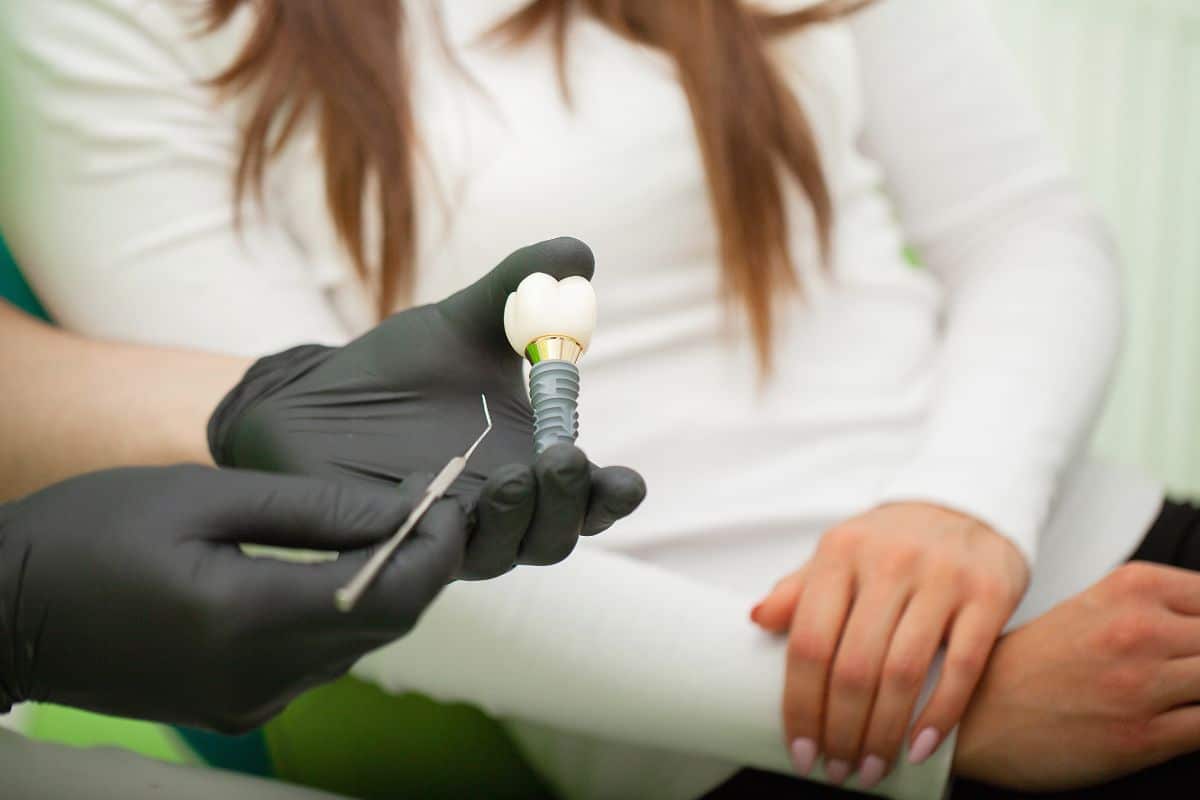
For patients in Rio Rancho considering dental implants, understanding the factors that influence healing is essential. While dental implants have become a dependable solution for replacing missing teeth, certain lifestyle habits can affect their long-term success. One of the most significant risk factors is smoking. Knowing how tobacco use impacts healing and implant stability can help patients make informed decisions before and after treatment.
How Dental Implants Heal After Placement
Dental implants rely on a natural healing process called osseointegration, where the jawbone gradually fuses with the titanium implant. This connection provides the strength and stability needed to support a replacement tooth.
Successful healing depends on healthy blood flow, proper oral hygiene, and following post-treatment instructions. Any factor that slows healing may interfere with the implant’s ability to integrate with the surrounding bone.
Why Smoking Can Affect Implant Success
Reduced Blood Flow Delays Healing
Smoking decreases blood circulation throughout the body, including the gums and jawbone. Reduced blood flow limits the oxygen and nutrients needed for tissue repair, causing healing to take longer after implant placement.
When the healing process is delayed, the implant may have greater difficulty bonding with the surrounding bone.
Higher Risk of Infection
Tobacco use weakens the body’s natural immune response, making it harder to fight bacteria that can collect around the implant site.
Patients working with an implant dentist in Rio Rancho are often advised to avoid smoking before and after treatment because lowering tobacco exposure helps create a healthier environment for recovery and reduces the likelihood of complications.
Long-Term Effects of Smoking on Dental Implants
Increased Bone Loss
Even after an implant has healed, smoking may contribute to gradual bone loss around the implant. Healthy bone is essential for keeping the implant secure for many years.
Bone deterioration can eventually affect the stability of the replacement tooth if left untreated.
Greater Chance of Gum Problems
Smoking is closely linked to gum disease, which can also develop around dental implants. This condition, known as peri-implant disease, causes inflammation that may damage the supporting tissues if left untreated.
Regular dental visits help detect these concerns early before they progress.
Can Smokers Still Get Dental Implants?
Many smokers successfully receive dental implants, but they may face additional risks during healing. Dentists carefully evaluate each patient’s oral health, bone quality, and medical history before recommending treatment.
Reducing or stopping smoking before surgery and throughout recovery can significantly improve healing conditions. Patients who continue smoking should follow every post-operative instruction closely and attend all scheduled follow-up appointments.
Tips to Protect Your Dental Implants
Proper home care plays an important role in maintaining dental implants. Brushing twice daily, flossing around the implant, avoiding tobacco products, and keeping regular dental appointments all contribute to healthier gums and bone support.
Patients seeking guidance from an implant dentist in Rio Rancho often receive personalized recommendations that support healing and help preserve implant stability over time.
If you are planning implant treatment or already have implants, now is an excellent time to visit our dental office in Rio Rancho for a comprehensive evaluation and preventive care.
The Importance of Ongoing Dental Care
Routine professional cleanings and examinations allow your dental team to monitor implant health and identify early signs of inflammation or bone changes. Early intervention helps maintain healthy tissues surrounding the implant while supporting long-term function.
Making positive lifestyle choices, including reducing tobacco use, can contribute to healthier gums and improved treatment outcomes.
Smoking can negatively influence every stage of dental implant treatment, from healing immediately after placement to maintaining long-term stability. While implants remain an excellent tooth replacement option for many patients, minimizing tobacco use can improve the chances of successful healing and lasting results. If you’re considering dental implants or have questions about your oral health, contact us today to schedule a consultation and discuss your treatment options.
Frequently Asked Questions
- Can smoking cause dental implants to fail?
Smoking increases the risk of healing complications, infection, and implant failure, especially during the early healing phase. - How long should I avoid smoking after implant surgery?
Your dentist will provide personalized instructions, but avoiding smoking during the healing period is strongly recommended. - Can former smokers receive dental implants?
Yes. Many former smokers are successful implant candidates after a thorough dental evaluation. - Does vaping affect dental implant healing?
Some vaping products may also affect blood flow and tissue healing. Discuss all nicotine use with your dentist before treatment. - How can I improve implant healing?
Maintain excellent oral hygiene, attend follow-up appointments, follow your dentist’s instructions, and avoid tobacco products whenever possible. - How often should dental implants be checked?
Regular dental examinations and professional cleanings every six months, or as recommended, help monitor implant health. - Are dental implants still a reliable tooth replacement option?
Yes. With proper care, healthy habits, and routine dental visits, dental implants can provide long-lasting function and appearance.