
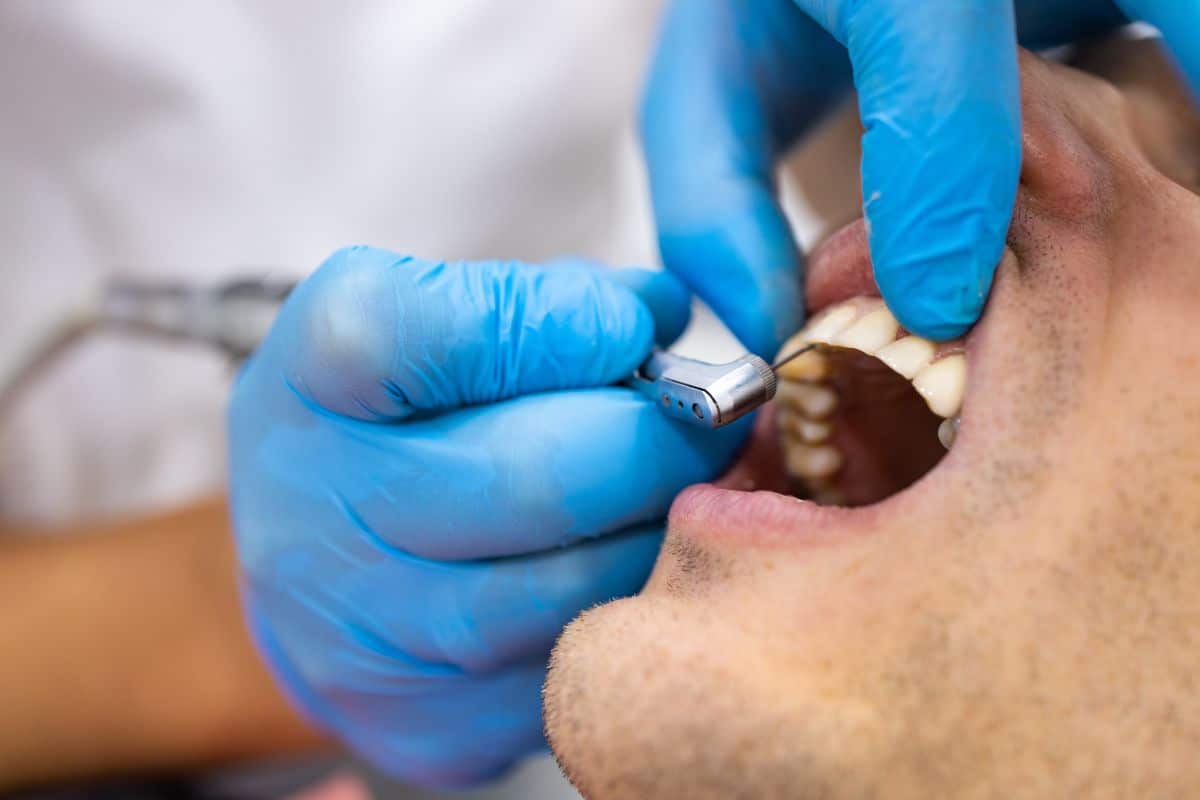
Bone grafting is a standard procedure in modern dentistry that helps restore strength to weakened areas of the jaw. For patients preparing for dental implants or struggling with bone loss due to missing teeth or gum disease, this treatment can be life-changing. If you’ve been told you may need a bone graft, you might feel uncertain about what the process involves. This step-by-step guide will walk you through the procedure, helping you feel informed and prepared before beginning treatment.
What Is Bone Grafting?
Bone grafting is a surgical process that rebuilds jawbone tissue that has been lost or weakened over time. Bone loss often occurs because of tooth extractions, periodontal disease, or natural resorption with age. By placing grafting material in areas of deficiency, your dentist can encourage new bone growth and create the support needed for future restorations like implants.
Step 1: Consultation and Diagnosis
Initial Examination
Your journey begins with a detailed consultation. The dentist evaluates your oral health using X-rays or 3D imaging to determine the strength and density of your jawbone.
Customized Treatment Plan
Based on your needs, your provider designs a personalized treatment plan and selects the correct type of grafting material—natural, donated, or synthetic. This stage ensures the procedure is tailored to achieve the best possible results.
Step 2: Preparing for Surgery
On the day of surgery, local anesthesia is used to numb the treatment area. Some patients may also receive sedation for added comfort. Preparing the surgical site carefully ensures the bone grafting material can be positioned securely.
Step 3: Placing the Bone Graft
Accessing the Jawbone
The dentist begins by making a small incision in the gum tissue to expose the bone, which requires reinforcement.
Securing the Graft
The grafting material is then placed in the deficient area. This material works with your natural bone to encourage regeneration and strengthen the jaw.
Step 4: Healing and Integration
Protecting the Site
Once the graft is in place, the area is often covered with a protective membrane, and the gums are sutured closed.
The Healing Process
Over the next several months, the graft gradually fuses with your natural bone. This healing period is crucial, allowing the jaw to develop the stability needed for future treatments like implants.
Why Bone Grafting Is Important for Dental Health
Bone grafting does more than restore lost bone—it protects the future of your oral health. Without sufficient bone, implants and other restorative treatments may not succeed. Many patients who choose oral surgery in Rio Rancho benefit from bone grafting because it gives their smile the strong foundation it needs. If you are considering implants, visit our dental office to learn how this procedure could help you achieve long-lasting results.
Recovery and Aftercare
Caring for Your Mouth
After surgery, patients are encouraged to eat soft foods and rinse gently to avoid disturbing the graft site. Pain or swelling can usually be managed with prescribed medication.
Monitoring Progress
Follow-up visits are scheduled so your dentist can monitor healing and ensure the graft integrates as expected. Most patients find that discomfort is minimal and short-lived.
Who Should Consider Bone Grafting?
Bone grafting may be recommended if you have experienced bone loss from missing teeth, periodontal disease, or trauma, or if you plan to get implants but lack sufficient jawbone support. Acting early prevents further bone deterioration and increases the likelihood of successful restorative treatment.
Building a Stronger Foundation for Your Smile
Bone grafting is more than just a surgical procedure—it’s an investment in your oral health’s future. Rebuilding lost bone creates the stability necessary for implants and other treatments that restore function and appearance. If you are ready to take the next step toward a healthier, stronger smile, now is the perfect time.
Contact us today to schedule your consultation and discover how bone grafting can give you the confidence and stability you need for lasting oral health.