Root canal treatment, often simply referred to as a root canal, is a common dental procedure used to treat infected or damaged teeth. Despite its reputation for being intimidating, understanding the different stages of the root canal treatment process can help alleviate anxiety and ensure patients feel confident about their dental care. In this blog post, we’ll explore each stage of the root canal treatment process in detail, from diagnosis to recovery.
1. Diagnosis
The first stage of the root canal treatment process involves diagnosing the need for treatment. Symptoms that may indicate the need for a root canal include severe tooth pain, sensitivity to hot or cold, swelling or tenderness in the gums, and discoloration of the tooth. During your dental appointment, your dentist will conduct a thorough examination, including X-rays, to assess the extent of the damage and determine if root canal treatment is necessary.
2. Anesthesia
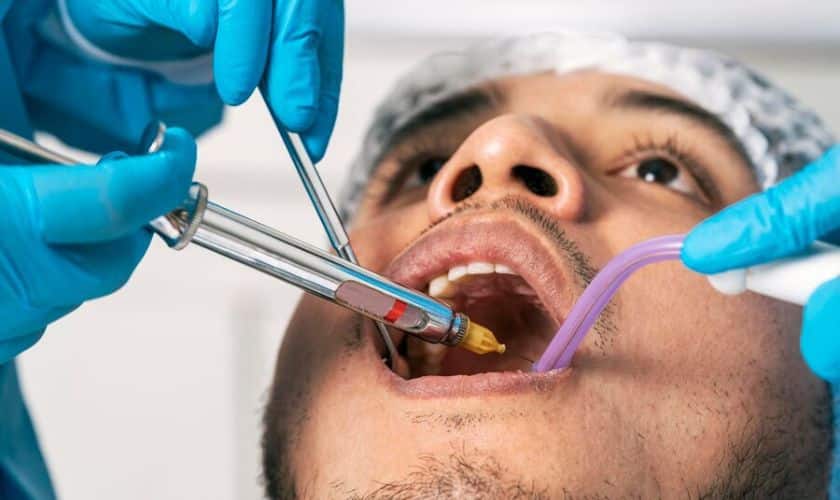
Once the need for a root canal is confirmed, the next stage involves administering local anesthesia to numb the affected tooth and surrounding area. Local anesthesia ensures that the patient remains comfortable and pain-free throughout the procedure. In some cases, sedation options may also be available for patients who experience dental anxiety or require additional relaxation during treatment.
3. Access Opening
With the tooth numbed, the dentist will create an access opening in the crown of the tooth to reach the infected or damaged pulp chamber and root canals. This step involves removing any decayed or damaged tooth structure to access the pulp chamber safely. The access opening allows the dentist to clean and disinfect the inside of the tooth thoroughly.
4. Cleaning and Disinfection
Once access to the pulp chamber and root canals is achieved, the dentist will use specialized instruments to clean and disinfect the inside of the tooth. This involves removing infected or inflamed pulp tissue, as well as any bacteria or debris present within the root canals. Thorough cleaning and disinfection are essential for eliminating infection and preventing reinfection of the tooth.
5. Shaping and Irrigation
After cleaning and disinfection, the dentist will shape the root canals to prepare them for filling. This involves using small, flexible instruments to remove any remaining debris and shape the canals to accommodate the filling material. Throughout this process, the root canals are irrigated with antimicrobial solutions to flush out bacteria and ensure a clean and sterile environment.
6. Filling and Sealing
Once the root canals are cleaned, shaped, and dried, they are filled and sealed to prevent further infection. The most common filling material used in root canal treatment is gutta-percha, a rubber-like material that is inserted into the canals to seal them off. In some cases, a dental adhesive or cement may also be used to ensure a secure seal and prevent leakage.
7. Restoration
With the root canal treatment complete, the final stage involves restoring the tooth to its full form and function. Depending on the extent of the damage, this may involve placing a dental crown or filling to strengthen and protect the tooth. The restoration not only restores the appearance of the tooth but also provides long-term protection against future damage or fracture.
8. Recovery and Follow-Up
After root canal treatment, patients may experience some mild discomfort or sensitivity, which can usually be managed with over-the-counter pain relievers. It’s essential to follow any post-operative instructions provided by your dentist and attend follow-up appointments as scheduled to ensure proper healing and monitor the success of the treatment.
Conclusion
Understanding the different stages of the root canal treatment process can help alleviate fears and misconceptions about this common dental procedure. From diagnosis to recovery, each stage plays a crucial role in restoring the health and function of an infected or damaged tooth. If you’re experiencing symptoms that may indicate the need for a root canal, don’t hesitate to consult with your dentist to determine the best course of action for preserving your oral health and restoring your smile.